
Janai Purnima is a sacred Hindu festival celebrated across Nepal with holy baths, prayers, temple visits, and the changing of the sacred thread (Janai). It is a festival deeply connected with faith, tradition, family, and spiritual devotion. On this day, devotees visit temples, perform religious rituals, receive the sacred thread known as Doro, and seek blessings for health, prosperity, and protection. In many communities, the festival is also observed as Raksha Bandhan, symbolizing the bond of protection and love between family members.
For many devotees, Janai Purnima is more than a single day of religious celebration. It is also an opportunity to travel to some of Nepal’s most sacred temples, lakes, and pilgrimage destinations. Every year, pilgrims journey across the country to take holy baths, offer prayers, participate in traditional rituals, and experience the spiritual atmosphere of these special places.
From the high-altitude waters of Gosaikunda and the peaceful surroundings of Panch Pokhari to the historic temples of Kathmandu Valley and the remote pilgrimage trails of western Nepal, the festival offers many ways to combine spirituality with travel. These destinations not only hold religious significance but also showcase Nepal’s diverse landscapes, from Himalayan lakes and mountain trails to ancient temples and traditional settlements.
Sacred Places to Visit During Janai Purnima
1. Gosaikunda Lake
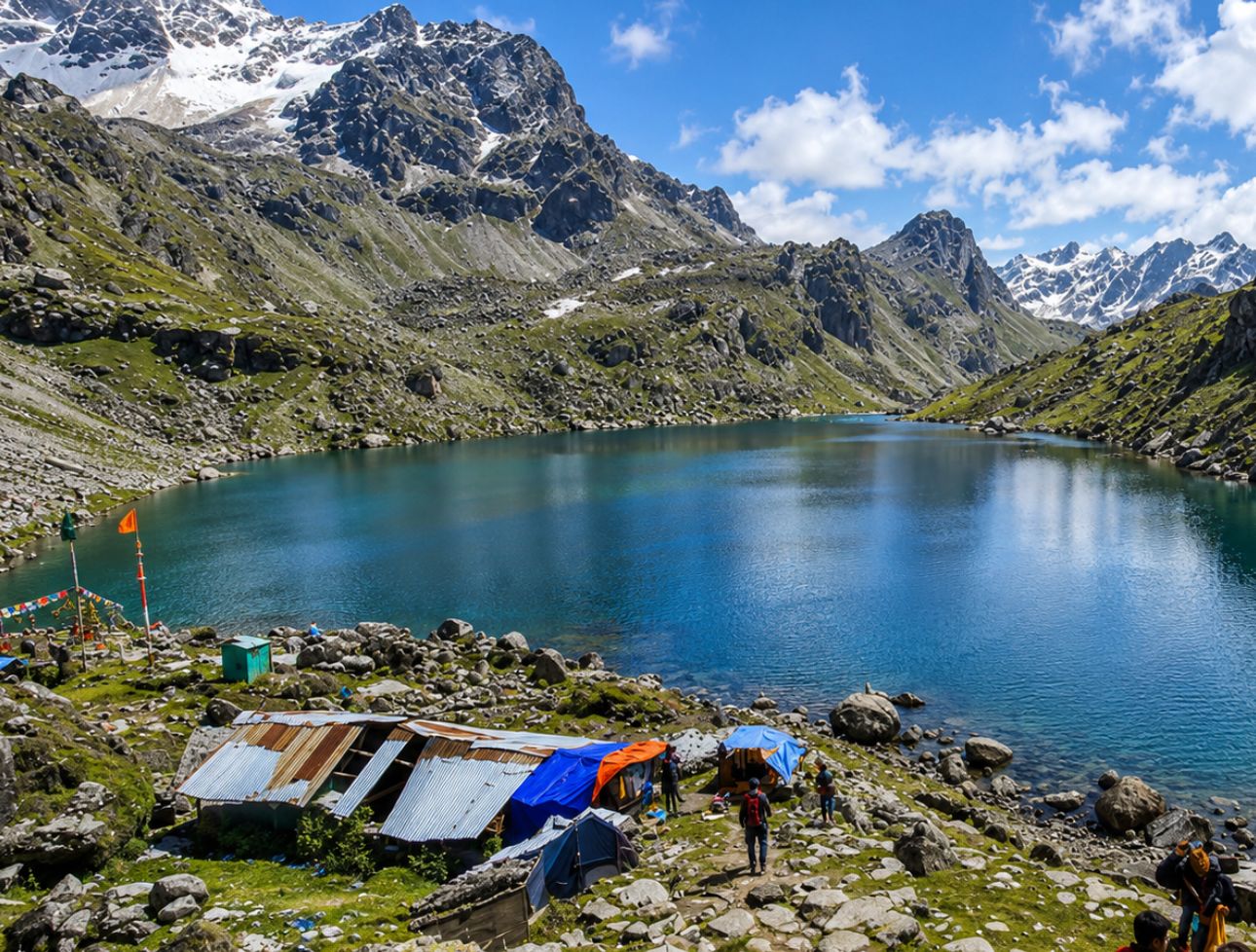
Gosaikunda is one of Nepal’s most famous sacred Himalayan lakes and one of the most significant pilgrimage destinations associated with Janai Purnima.
Located in the Langtang region at an altitude of approximately 4,380 meters, Gosaikunda is traditionally associated with Lord Shiva. According to Hindu mythology, Shiva created the lake with his trident after consuming poison during the churning of the cosmic ocean.
During Janai Purnima, pilgrims make the journey to Gosaikunda to pray and take a holy bath in its sacred waters. The pilgrimage is also an opportunity to experience the dramatic Himalayan landscape surrounding the lake.
The journey to Gosaikunda is not an easy one. Travelers should be prepared for steep trails, high altitude, changing weather, and limited facilities along parts of the route. Proper acclimatization and preparation are especially important. Start preparing early if you plan to visit Gosaikunda during Janai Purnima, as accommodation and transportation can become busy around the festival period. Book your Ticket with BusSewa for easy booking and trustful travel.
2. Panch Pokhari
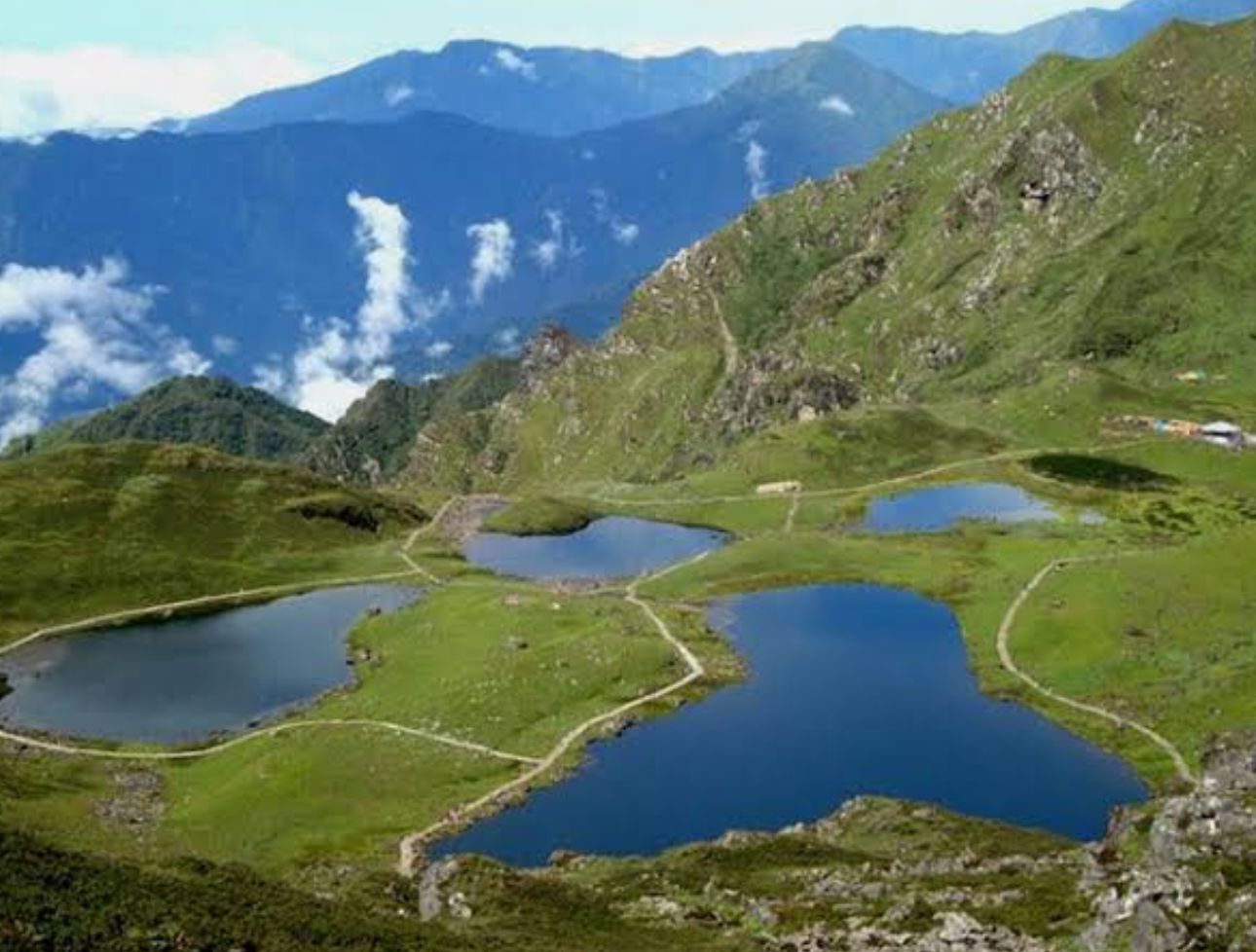
Panch Pokhari, meaning “Five Lakes,” is a beautiful pilgrimage destination in Sindhupalchok. The site consists of five sacred lakes surrounded by hills and Himalayan landscapes.
Panch Pokhari is visited by pilgrims during Janai Purnima for religious rituals and holy bathing. The destination also attracts travelers who want to combine a spiritual journey with trekking and nature exploration.
The route takes travelers through forests, hills, villages, and scenic landscapes, making the journey itself an important part of the experience.
Compared with more accessible temple destinations, Panch Pokhari requires considerably more travel and trekking. Visitors should therefore prepare for changing weather, basic accommodation, and remote trail conditions.
3. Jatapokhari
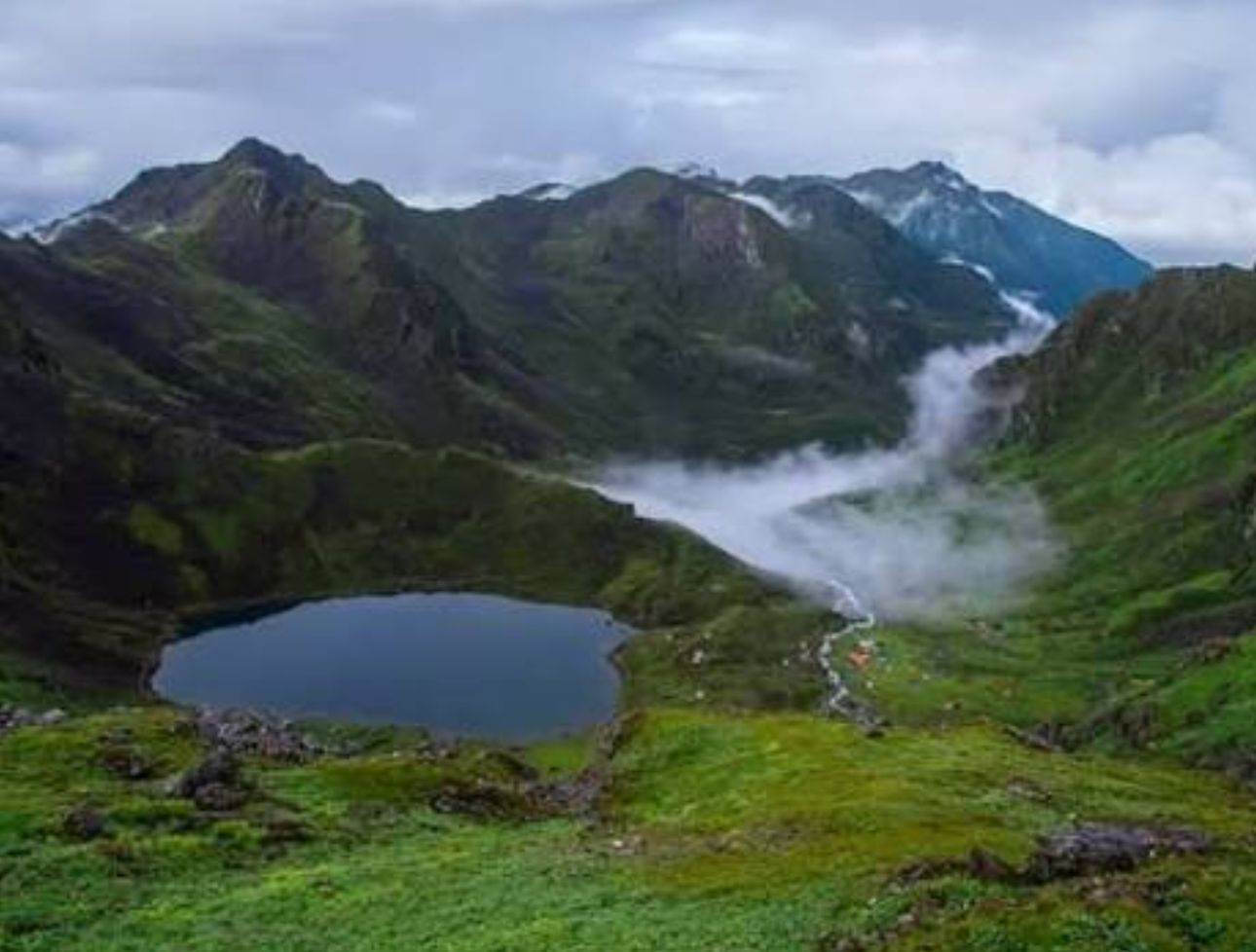
Jatapokhari is a sacred high-altitude lake in eastern Nepal and is visited by pilgrims during Janai Purnima. Surrounded by hills and Himalayan landscapes, Jatapokhari offers a quieter pilgrimage experience than some of Nepal’s more famous religious destinations. The journey combines religious significance with trekking and exploration.
For travelers who enjoy less crowded destinations and want to experience Nepal’s mountain landscapes, Jatapokhari can be an interesting choice.
However, the journey requires physical preparation. Travelers should check local trail conditions and weather information before starting their trip, particularly during the monsoon period when conditions can change quickly.
4. Kumbheshwar Temple
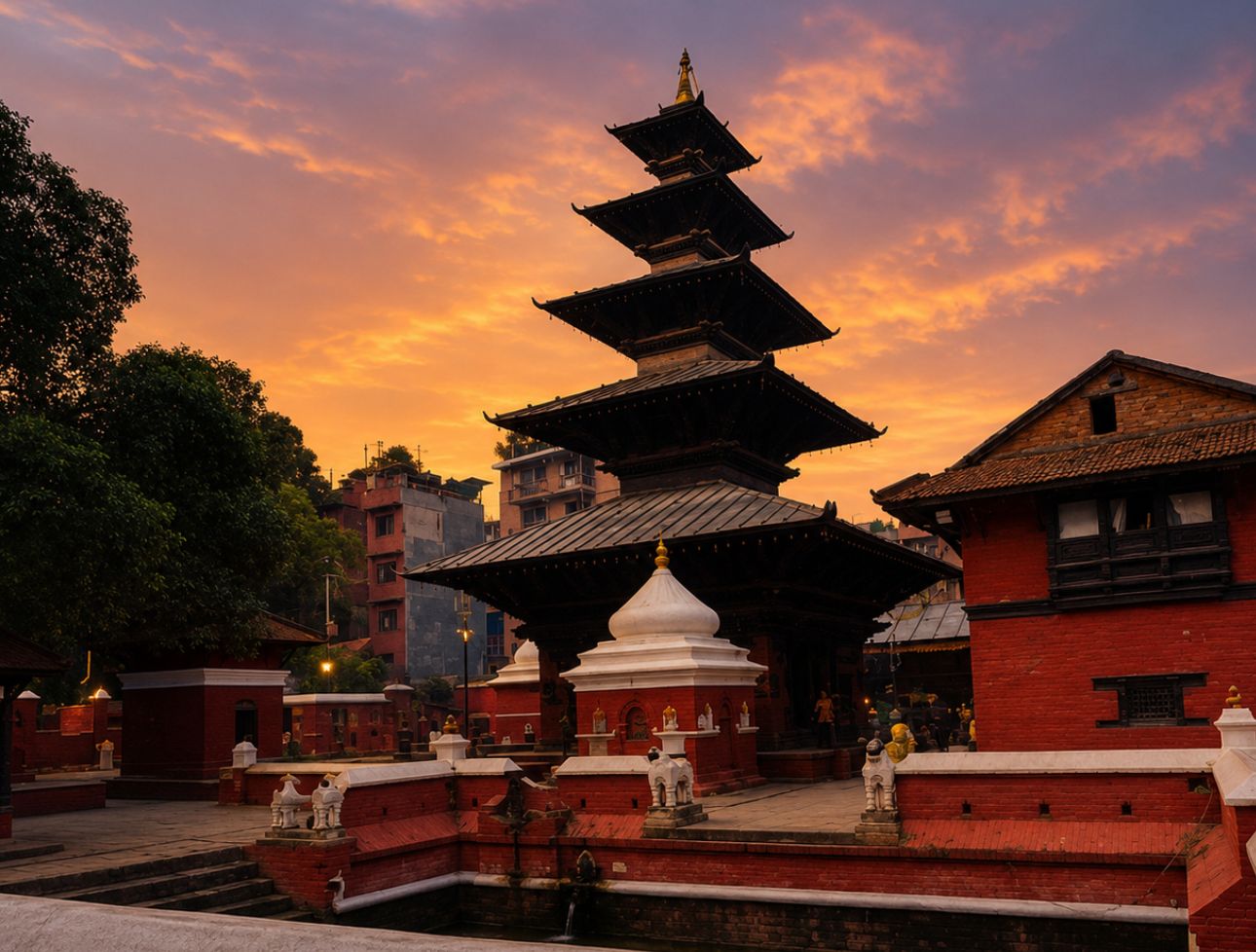
If you want to experience Janai Purnima without undertaking a difficult Himalayan trek, Kumbheshwar Temple in Patan is a much more accessible option. Dedicated to Lord Shiva, Kumbheshwar Temple is one of the important Shiva temples in the Kathmandu Valley. The temple is also notable for its traditional Newari architectural style and its location within the historic cultural landscape of Patan.
During Janai Purnima, devotees visit the temple for worship and religious activities. Because the temple is located in Patan, visitors can easily combine a pilgrimage with sightseeing around the historic city. A trip to Kumbheshwar can be paired with visits to other cultural and heritage attractions in Lalitpur, making it a good option for travelers with limited time.
5. Pashupatinath Temple
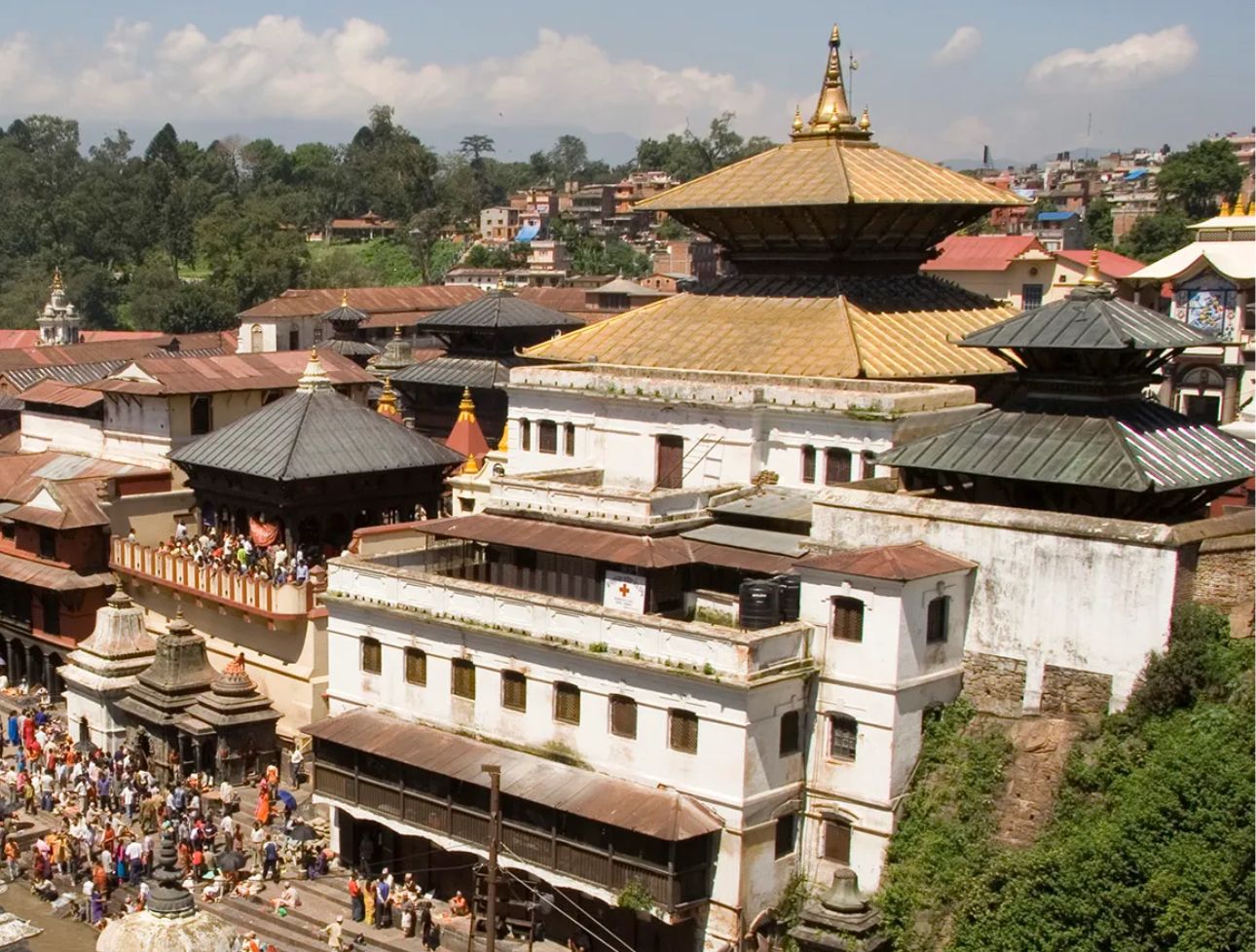
Pashupatinath Temple is one of Nepal’s most important Hindu pilgrimage sites and one of the most significant places to visit for devotees of Lord Shiva. Located beside the Bagmati River in Kathmandu, the temple complex is known for its religious importance, traditional architecture, rituals, and centuries-old cultural heritage.
During Janai Purnima, devotees visit Pashupatinath to worship, pray, and participate in religious traditions. Its location in Kathmandu also makes it one of the easiest sacred destinations to include in a Janai Purnima itinerary. Unlike high-altitude pilgrimage destinations, visiting Pashupatinath does not require trekking. This makes it particularly suitable for families, older travelers, and visitors who want a spiritual experience without a demanding journey.
6. Badimalika Temple
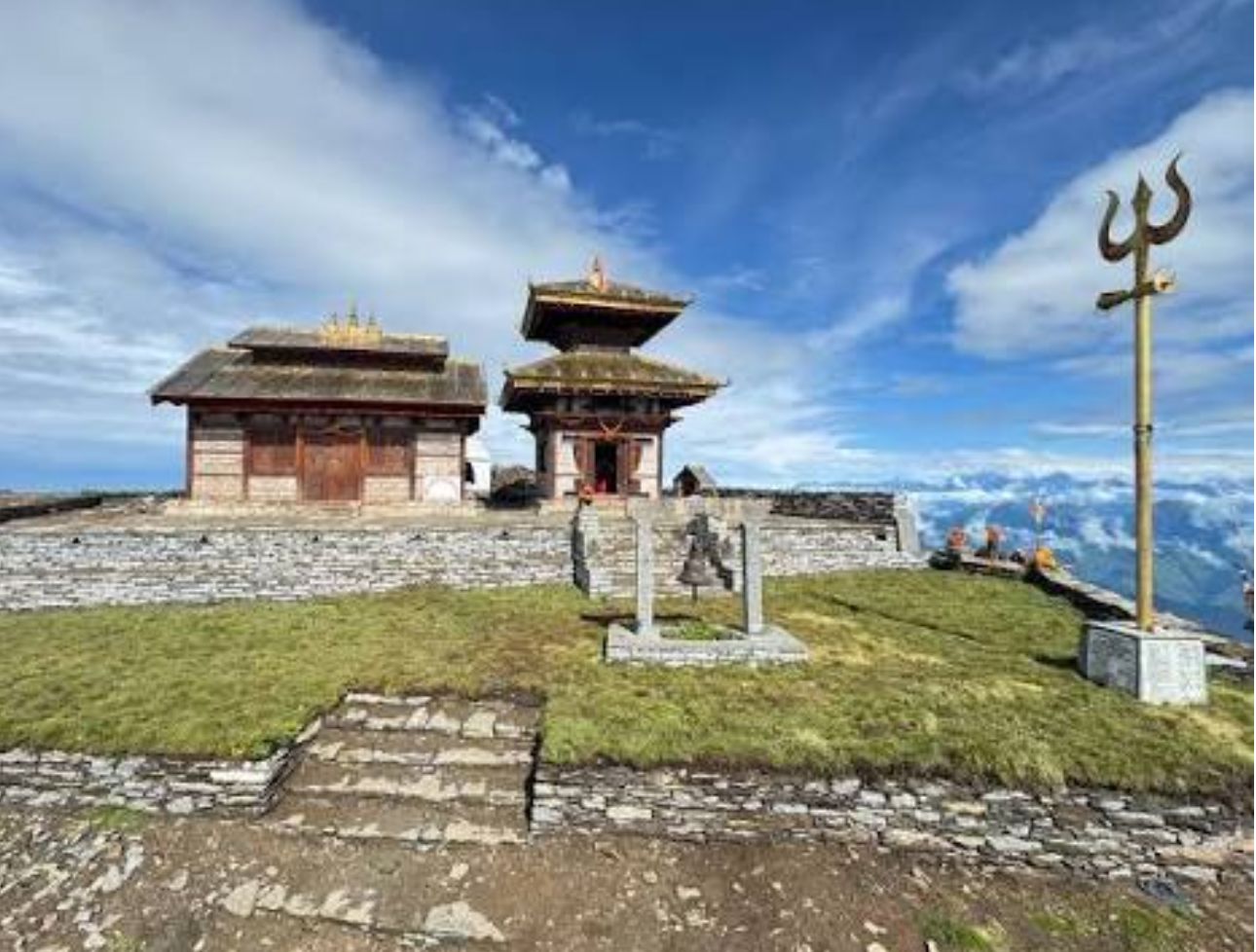
Badimalika Temple is a renowned pilgrimage destination in Bajura in western Nepal. Dedicated to Goddess Bhagwati, the temple sits in a remote mountainous region surrounded by hills, meadows, and spectacular Himalayan scenery. For many pilgrims, reaching Badimalika is part of the spiritual experience. The journey involves trekking through remote mountain terrain and requires considerably more physical preparation than visiting temples in Kathmandu Valley.
The destination is particularly attractive to travelers who want to combine pilgrimage with adventure. The surrounding landscapes provide a completely different experience from the urban temples of Kathmandu. Because of its remote location and challenging journey, travelers should prepare carefully and check local conditions before setting out.
Why Visit these Sacred Places During Janai Purnima?
Janai Purnima is not only a religious festival but also an opportunity to experience Nepal’s diverse cultural traditions and landscapes.
A pilgrimage during the festival can allow travelers to:
- Take a holy bath at a sacred lake or water source
- Visit temples dedicated to Hindu deities
- Participate in prayers and religious rituals
- Experience local Janai Purnima traditions
- Explore traditional villages and communities
- Combine pilgrimage with trekking and nature
- Discover Nepal’s mountain and cultural heritage
For many travelers, the journey itself becomes an important part of the experience.
Plan Your Janai Purnima Journey with BusSewa
Janai Purnima is the perfect time to combine spirituality, culture, and travel. Whether you are heading to the sacred waters of Gosaikunda, the peaceful trails of Panch Pokhari, the historic Pashupatinath Temple, or the remote Badimalika Temple, planning your journey in advance can make your trip more comfortable. Choose your destination based on your time, fitness level, and preferred travel experience. For popular pilgrimage destinations, booking transportation early can also help you avoid last-minute travel hassles during the busy festival period.
Make this Janai Purnima more meaningful. Plan your route, book your travel with BusSewa, and set out to explore the sacred and beautiful destinations of Nepal.