
Nepal is a country of diverse cultures, traditions and festivals, and Chhath is one of the most meaningful celebrations, especially in the Terai and Madhesh regions. Dedicated to the Sun God (Surya Dev) and Chhathi Maiya, this festival is a beautiful expression of faith, gratitude and respect for nature. Unlike many festivals celebrated with music, colours and gatherings, Chhath is observed through prayers, fasting and rituals performed near rivers, ponds and other water bodies. It is a time when families come together, communities celebrate their traditions, and devotees express gratitude for the energy and life that the Sun provides.
Let's explore what makes Chhath so special and how people celebrate this beautiful festival in Nepal.
Why Is Chhath Festival Celebrated?
Chhath is primarily dedicated to the worship of the Sun God, who is considered the source of life, energy and prosperity. Devotees offer prayers to the setting and rising Sun, expressing gratitude for nature's blessings and praying for the health, happiness and well-being of their families. The festival also honours Chhathi Maiya, who is worshipped for the protection and well-being of children and family members.
For many people, Chhath is more than just a religious celebration. It represents discipline, devotion, cleanliness and a strong connection with nature. It also brings families and communities together, making it an important part of Nepal's cultural heritage.
How Is Chhath Celebrated? Four Days of Rituals and Devotion
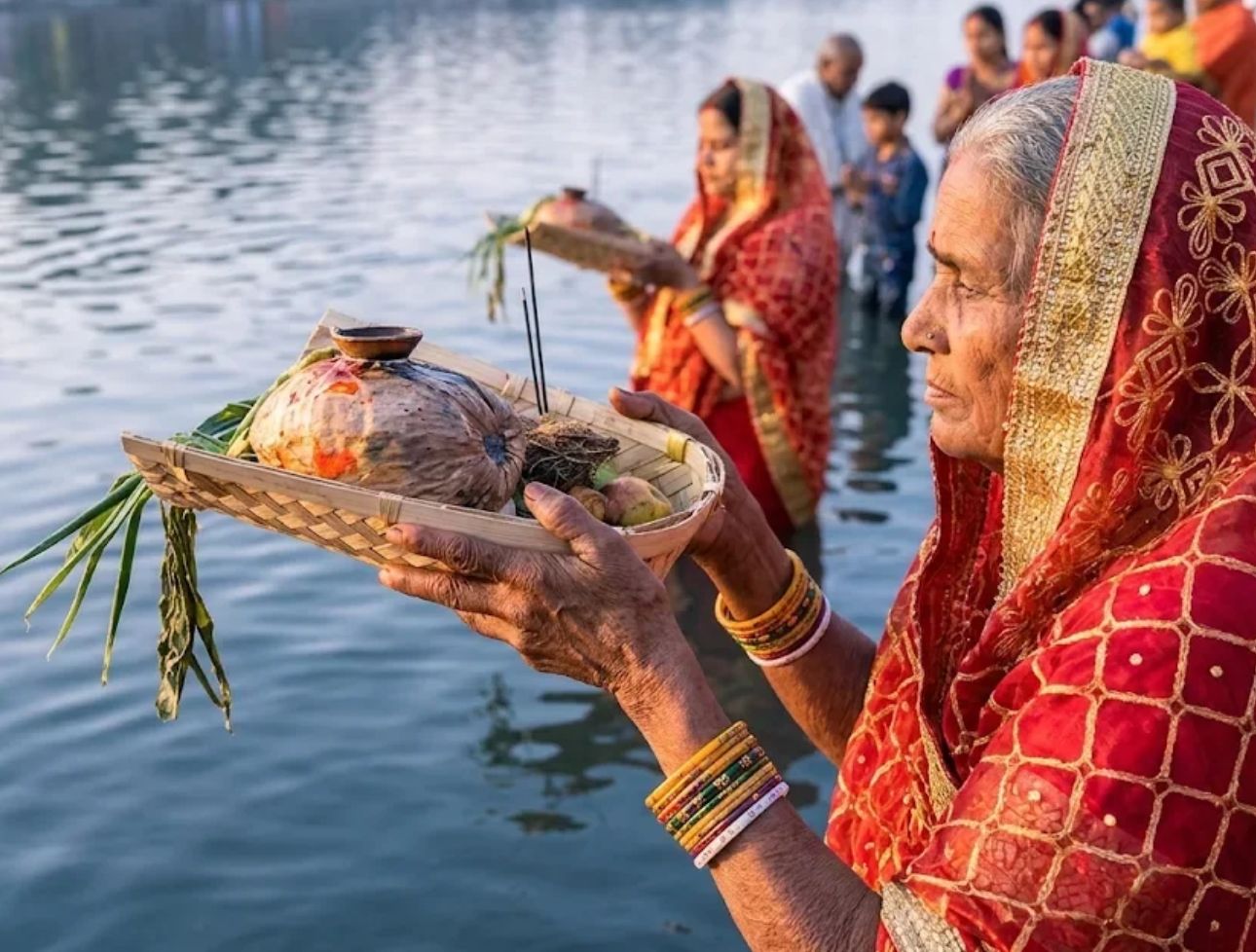
Chhath is traditionally observed over four days, with each day carrying its own significance and rituals.
1. Nahay Khay – The Beginning of Purity
The first day of Chhath is known as Nahay Khay. Devotees begin the festival by taking a ritual bath, cleaning their homes and preparing for the days ahead. A simple and traditionally prepared meal is eaten, often including rice, lentils and bottle gourd. Food is prepared with great care, following the cleanliness and dietary practices associated with the festival.
This day marks the beginning of the spiritual preparation for Chhath.
2. Kharna – A Day of Fasting
The second day is called Kharna. Devotees observe a fast throughout the day and break it after sunset, following prayers. Special offerings are prepared, commonly including kheer (rice pudding), roti and fruits. After the evening rituals, the prasad is shared among family members and others.
For many devotees, Kharna marks the beginning of a more rigorous fasting period, which continues until the final rituals.
3. Sandhya Arghya – Offering Prayers to the Setting Sun
Sandhya Arghya is one of the most beautiful and important parts of Chhath. On the third day, devotees gather near rivers, ponds and other water bodies to offer Arghya (water offerings) to the setting Sun.
Families carry bamboo baskets filled with fruits, thekua, sugarcane, coconuts and other traditional offerings. The atmosphere becomes especially beautiful as people gather near the water, sing traditional Chhath songs and offer their prayers. As the Sun sets, devotees express their gratitude for the blessings of life, health and nature.
4. Usha Arghya – Welcoming the Rising Sun
The final day begins early in the morning, when devotees return to the water bodies to offer prayers to the rising Sun. Known as Usha Arghya, this ritual marks the conclusion of Chhath. After offering prayers and completing the rituals, devotees break their fast.
It is a moment of happiness and togetherness as families celebrate the successful completion of the festival and share prasad with relatives, neighbours and friends.
Traditional Foods and Offerings of Chhath
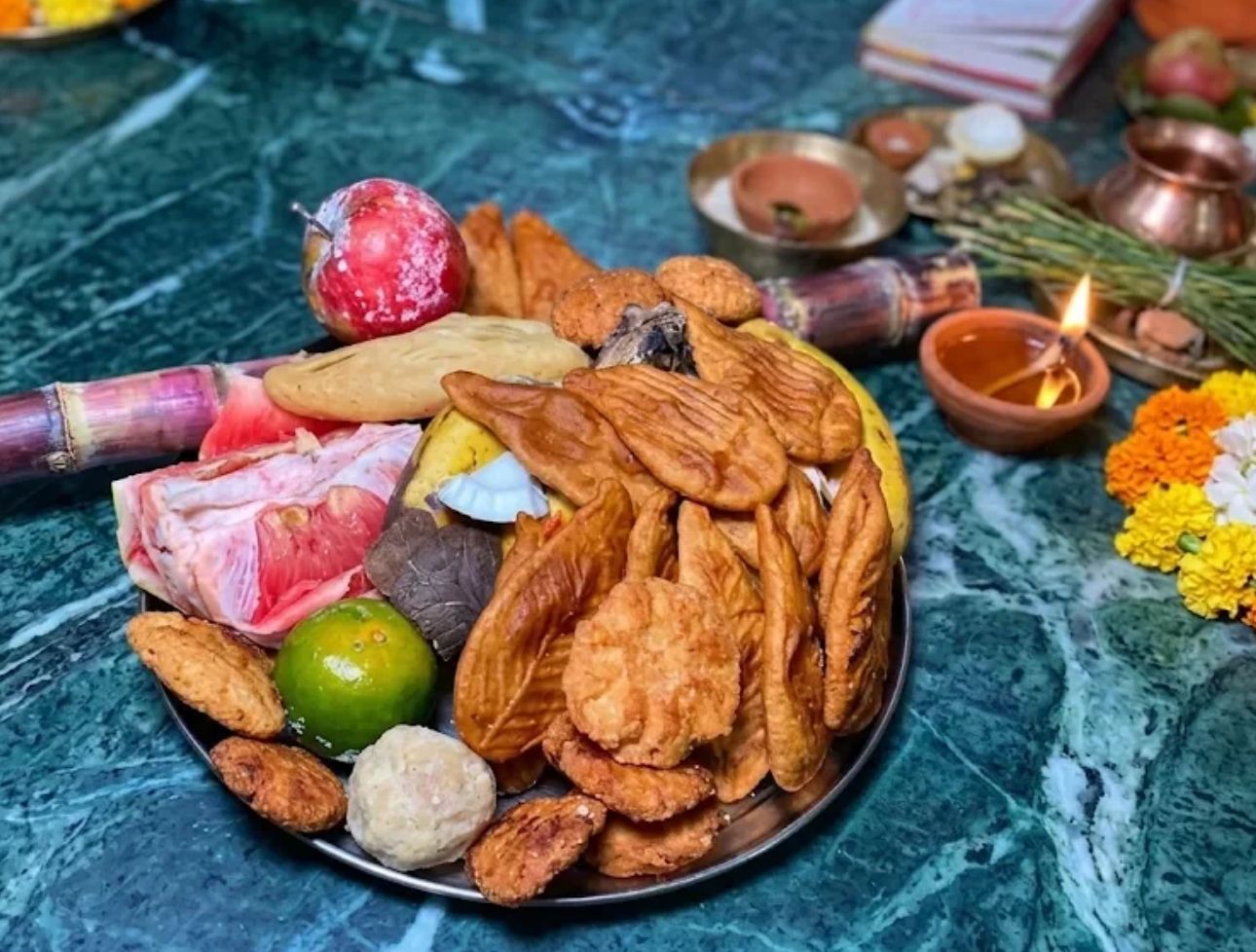
Food plays an important role in Chhath celebrations. Most offerings are prepared with traditional ingredients and great care.
Some of the popular foods and offerings include:
- Thekua: A traditional sweet made with wheat flour, jaggery or sugar, and ghee. It is one of the most recognisable offerings of Chhath.
- Kheer: A sweet rice pudding commonly prepared during Kharna.
- Fruits: Bananas, coconuts, apples, oranges and seasonal fruits are commonly included in the offerings.
- Sugarcane: A traditional offering that is an important part of Chhath rituals.
- Roti: Homemade roti is also prepared and offered as prasad.
These traditional foods are not just part of the celebration; they represent the devotion, preparation and cultural values associated with the festival.
Where Is Chhath Celebrated in Nepal?
Chhath is widely celebrated across Nepal, particularly in the Madhesh and Terai regions. Cities such as Janakpur, Birgunj, Rajbiraj, Biratnagar and other parts of the plains witness beautiful celebrations. Janakpur is especially known for its vibrant Chhath celebrations, where devotees gather around ponds, lakes and religious sites to offer prayers. The festival is also celebrated with great enthusiasm in Kathmandu Valley. People gather at places such as Rani Pokhari, Guhyeshwari and other designated water bodies to perform the rituals. Over the years, Chhath has become an important celebration for people from different communities, bringing everyone together through faith, culture and shared traditions.
The Cultural Importance of Chhath in Nepal
One of the most beautiful things about Chhath is how it connects people with nature. Worshipping the Sun, offering prayers near water bodies and using natural products during rituals highlight the importance of respecting the environment. The festival also strengthens family and community bonds. From preparing traditional foods to decorating the surroundings and arranging offerings, everyone takes part in the preparations. Traditional Chhath songs add another special touch to the celebration. These songs reflect devotion, cultural identity and the emotions connected with the festival. Whether celebrated in a small village in Madhesh or a busy city like Kathmandu, the spirit of Chhath remains the same: faith, gratitude and togetherness.
Travel Home This Chhath with BusSewa
Festivals are even more special when celebrated with the people who matter most. For many, Chhath is a time to return home, meet loved ones and take part in traditional celebrations. If you are planning to travel to Janakpur, Birgunj, Biratnagar or other parts of Nepal for Chhath, planning your journey early can make your travel easier. With BusSewa, you can explore available bus routes, compare travel options and book your bus tickets online without having to visit ticket counters. This Chhath, make your journey home easier and spend more time celebrating what matters.
Happy Chhath Puja!